Religions for Peace Hellas
Religions for Peace is the world’s largest and most representative multi-religious organisation, promoting cooperation and joint action among the world’s religious communities for the advancement of peace.
The global Religions for Peace movement is distinguished by its worldwide leadership, Interreligious Councils, and interfaith networks of women and youth, which operate at local, national and regional levels as agents of positive change.
They respond to contemporary challenges — from violence and discrimination to environmental degradation — by proposing and implementing bold and innovative solutions.
Religions for Peace is the space where the world’s religions join forces, aiming to ensure that all people enjoy peace, harmony and well-being.
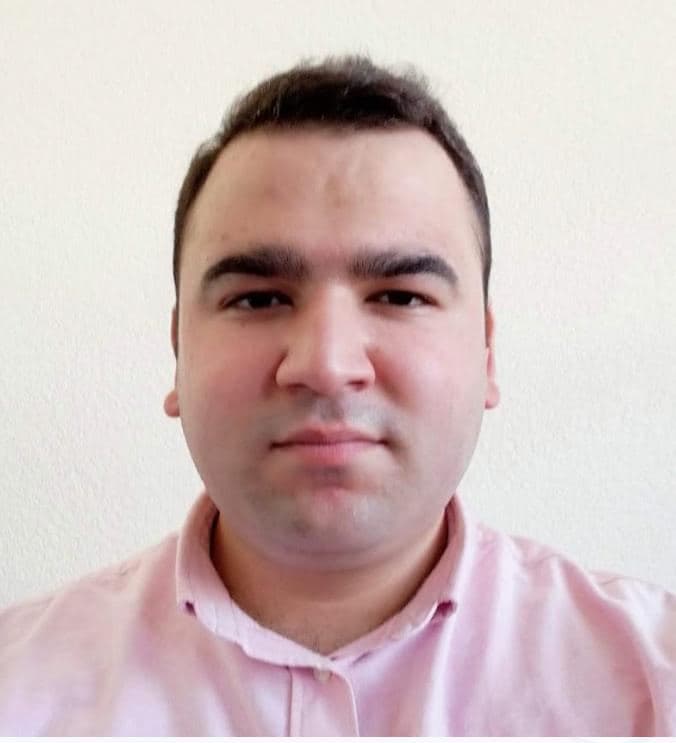
ENIB appoints Omer Faruk Karacan as new Secretary
At its first meeting of 2026, on 27 February 2026, the Board of the European National Interreligious Bodies (ENIB) of Religions for Peace Europe unanimously appointed Omer Faruk Karacan as the new Secretary of ENIB.
Omer Faruk Karacan is also one of the newly appointed Board members, representing the National Body of Greece (Bridges of Peace), where he serves as Secretary General.
“Shared Sacred Worldview” training in Nairobi
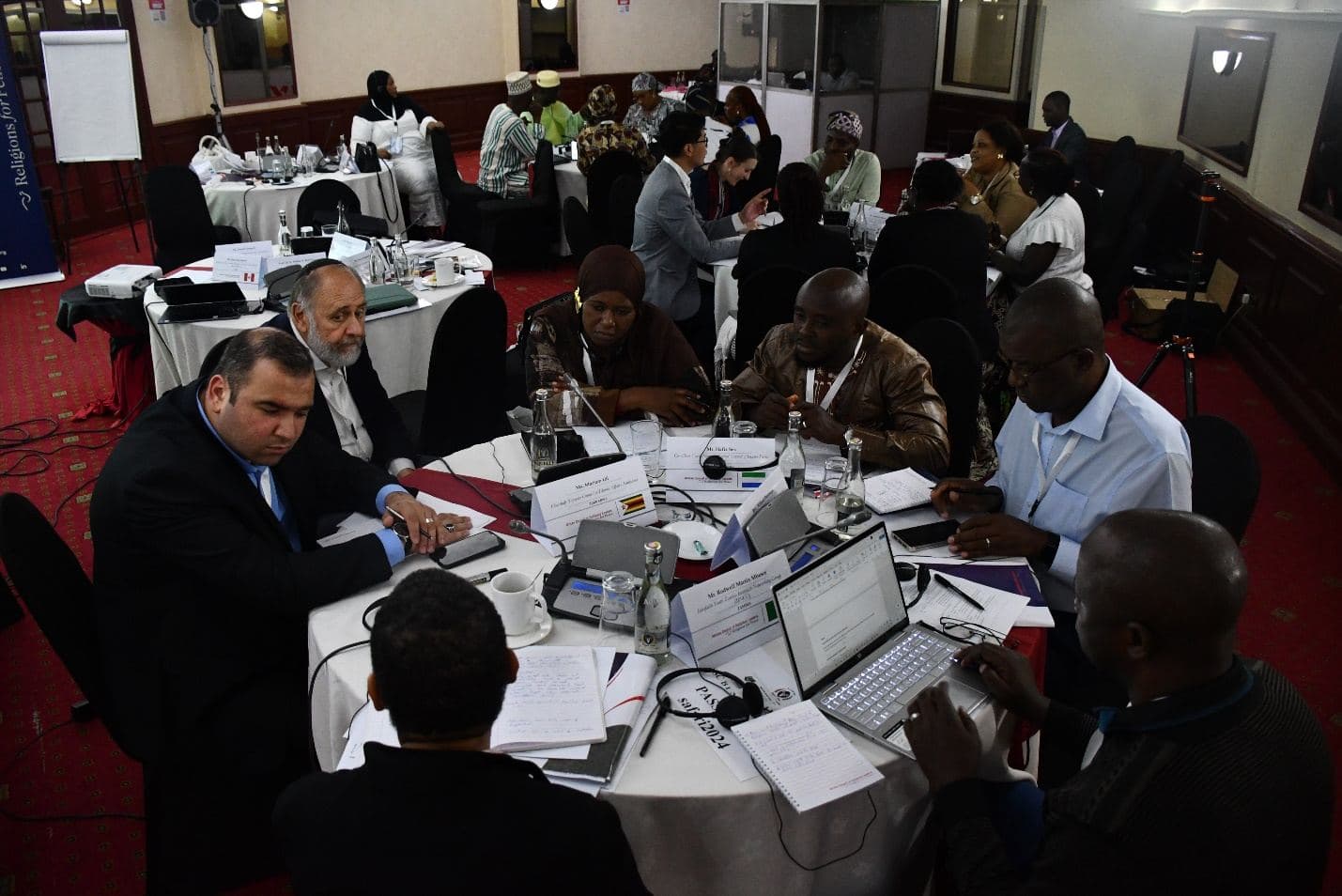
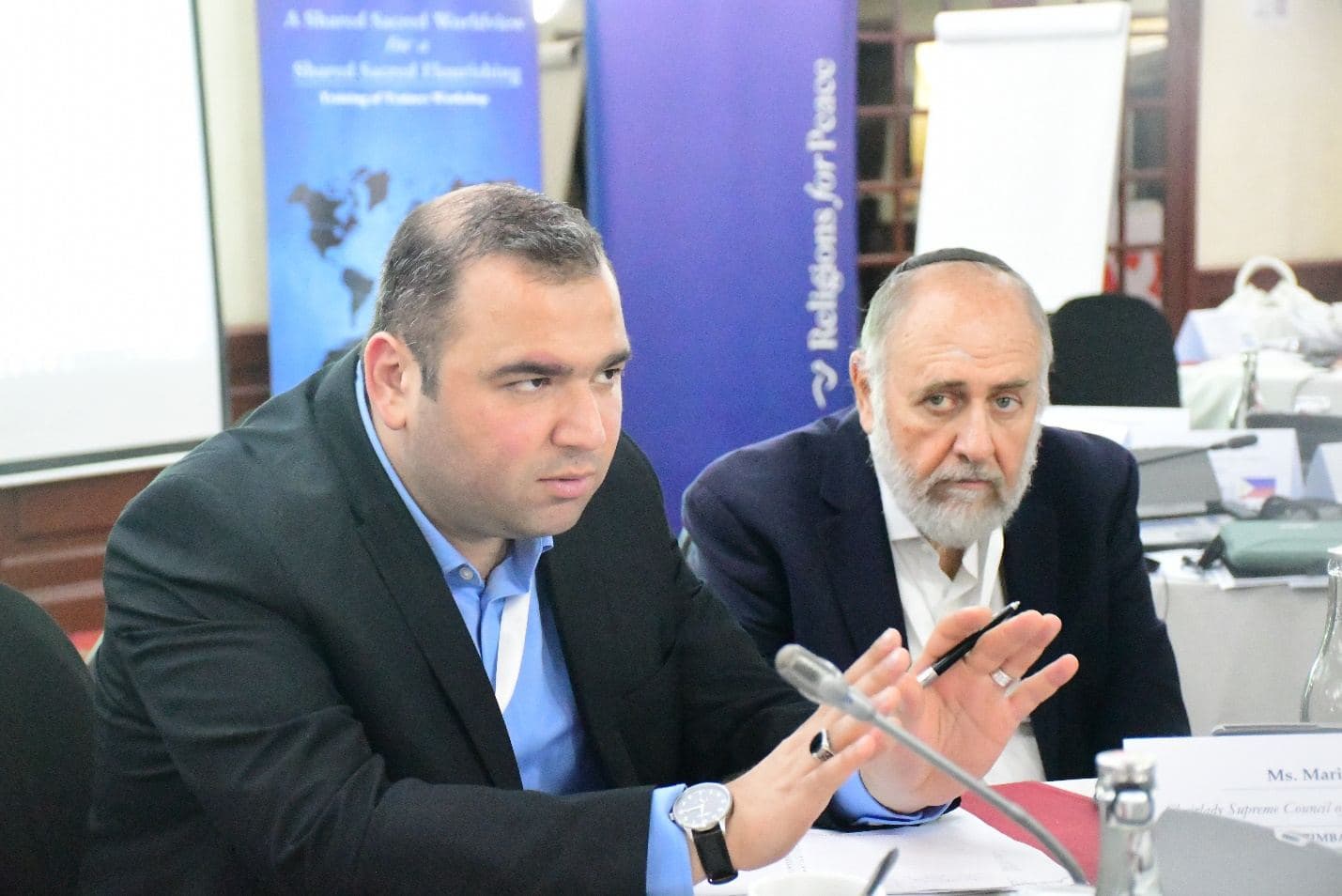
Religions for Peace Hellas took part in the Regional Training of Trainers (ToT) on the Shared Sacred Worldview (SSW) and Shared Sacred Flourishing (SSF), held from 29 June to 1 July in Nairobi, Kenya.
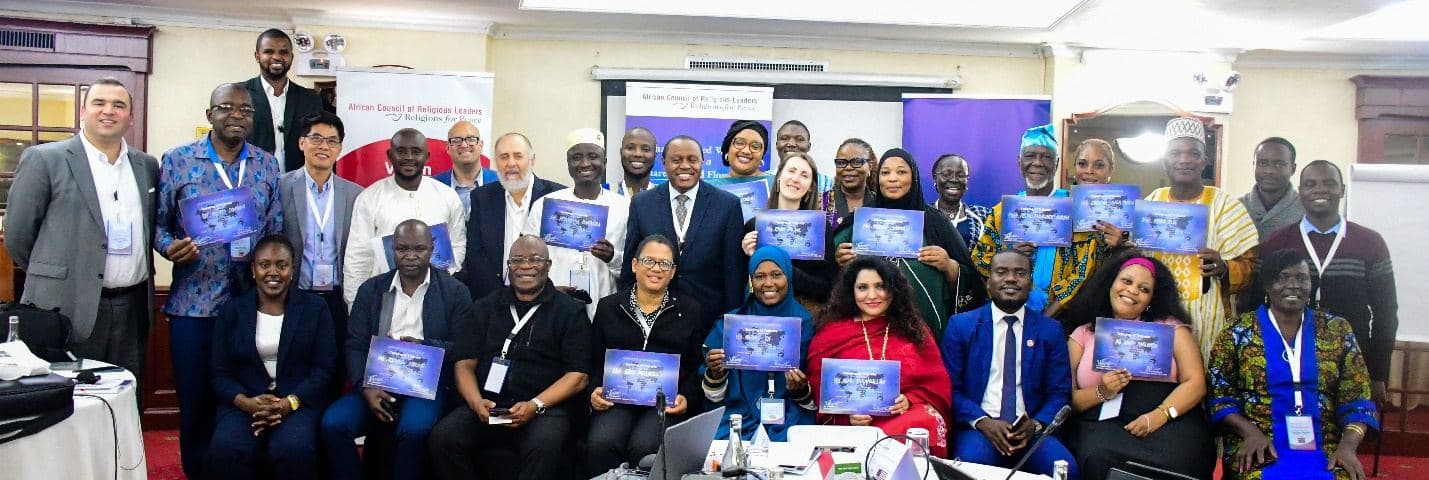
The training was an important international gathering of representatives with a shared vision for a more peaceful and inclusive future. Twenty religious leaders and representatives of faith-based organisations from seven African countries took part, along with representatives of the African Youth Network. From Europe, the Secretary General of Religions for Peace Europe, Mr Faruk Karacan, also participated as a European representative.
Key points of the training
As the first regional application of the Training Toolkit for the Shared Sacred Worldview, the programme was grounded in the theological, ethical and operational framework of Religions for Peace. Through lectures, dialogue and reflection, storytelling, workshops and cultural activities, participants examined ways to strengthen interfaith cooperation and joint action.
Main themes
Distinct Identities, Shared Values
Participants explored how different religious traditions can preserve and express their unique identity while uniting around shared values for the common good.
Spirituality and Institutional Transformation
Using the Shared Sacred Analysis methodology and the Whole of Whole People framework, participants examined how spiritual values can be integrated into addressing contemporary social and ecological challenges and peacebuilding.
Concrete Commitments and Actions
The programme concluded with national action plans and institutional commitments aimed at healing social wounds, reconciliation, ethical leadership and joint action across Africa.
Participation in Nairobi was an important step within Religions for Peace Hellas’s broader engagement in international Religions for Peace actions. The experience and knowledge exchange from this training helped prepare and further strengthen our participation in the European Training of Trainers “Shared Sacred Flourishing” that followed in Tirana.
The Nairobi meeting formed a meaningful bridge between European and African approaches, creating a practical framework for further strengthening interfaith cooperation and collective action for peace, social cohesion and the common good.
Religions for Peace Hellas joins the European Training of Trainers “Shared Sacred Flourishing” in Tirana
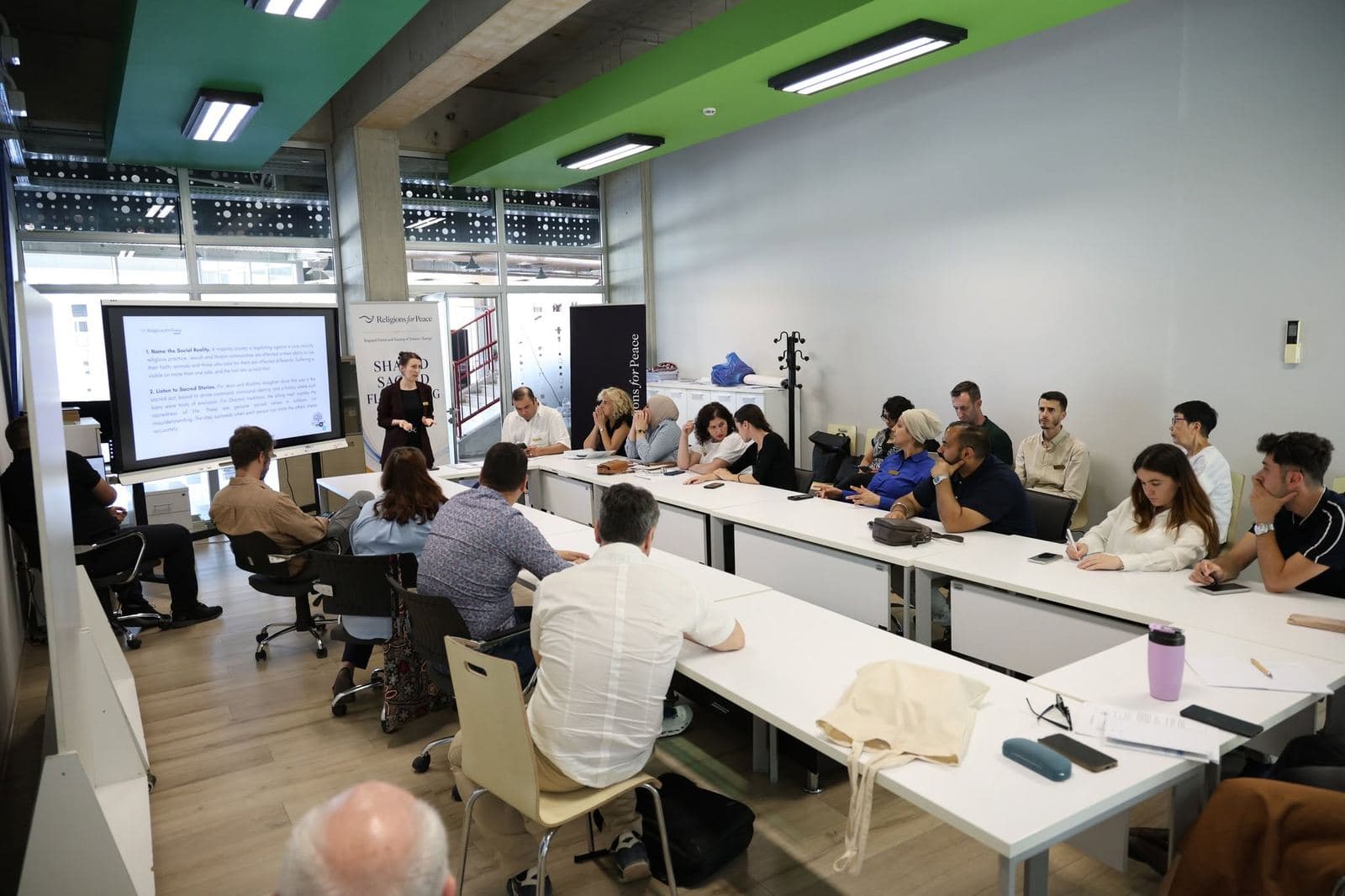
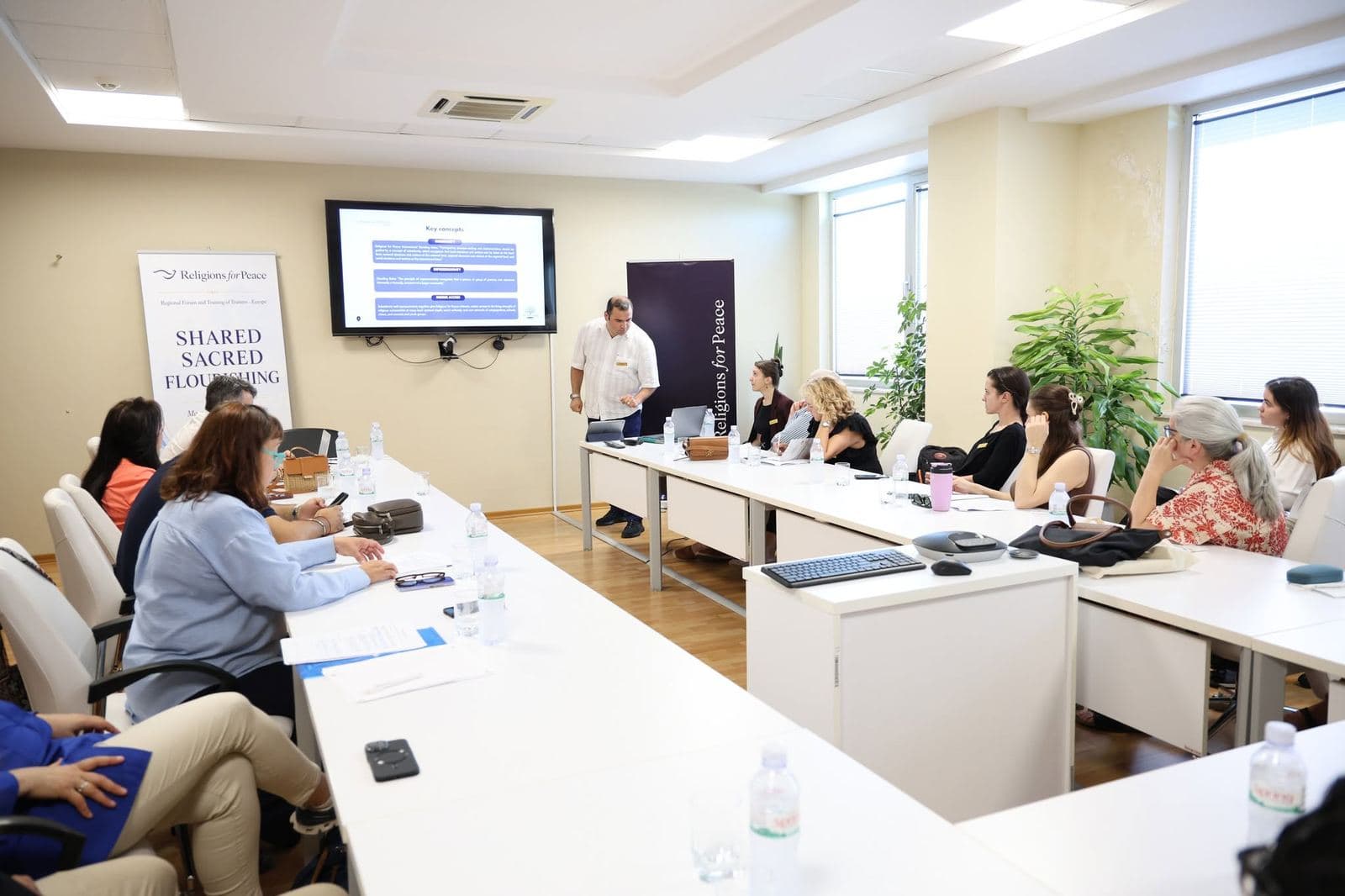
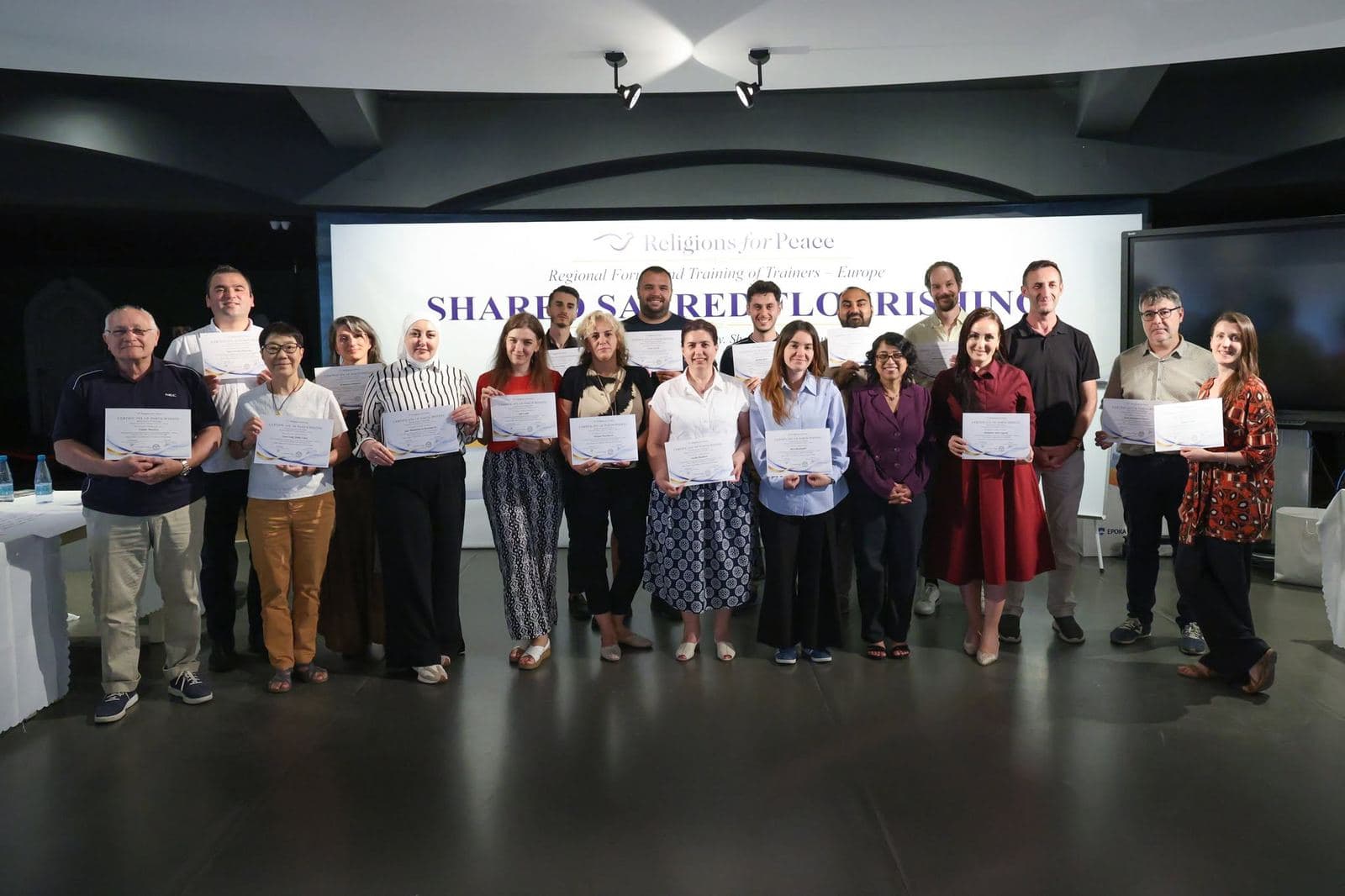
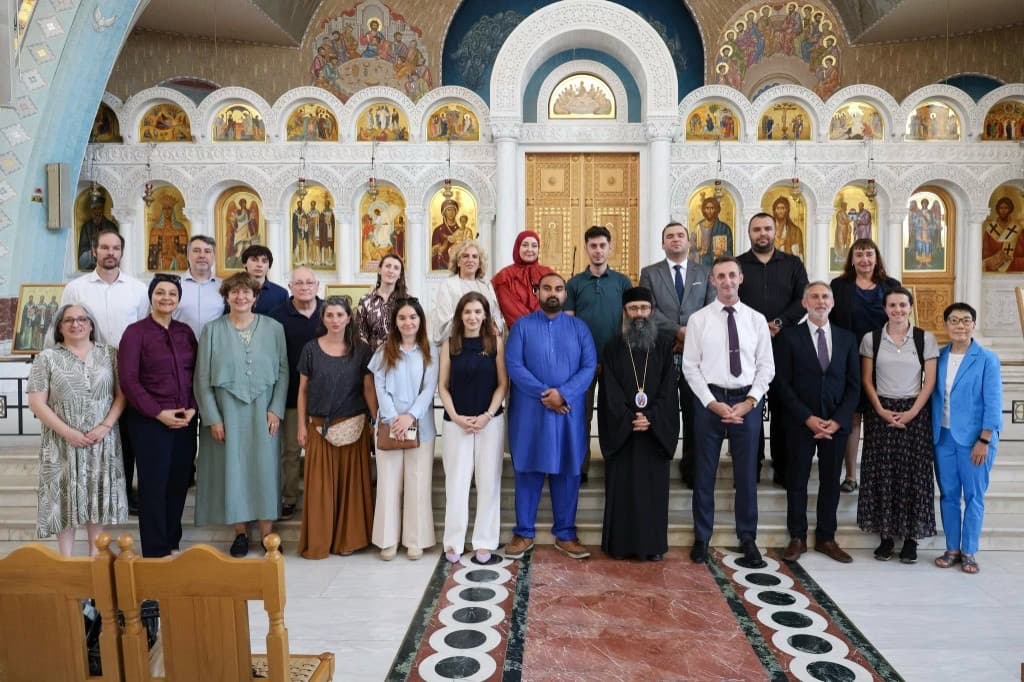
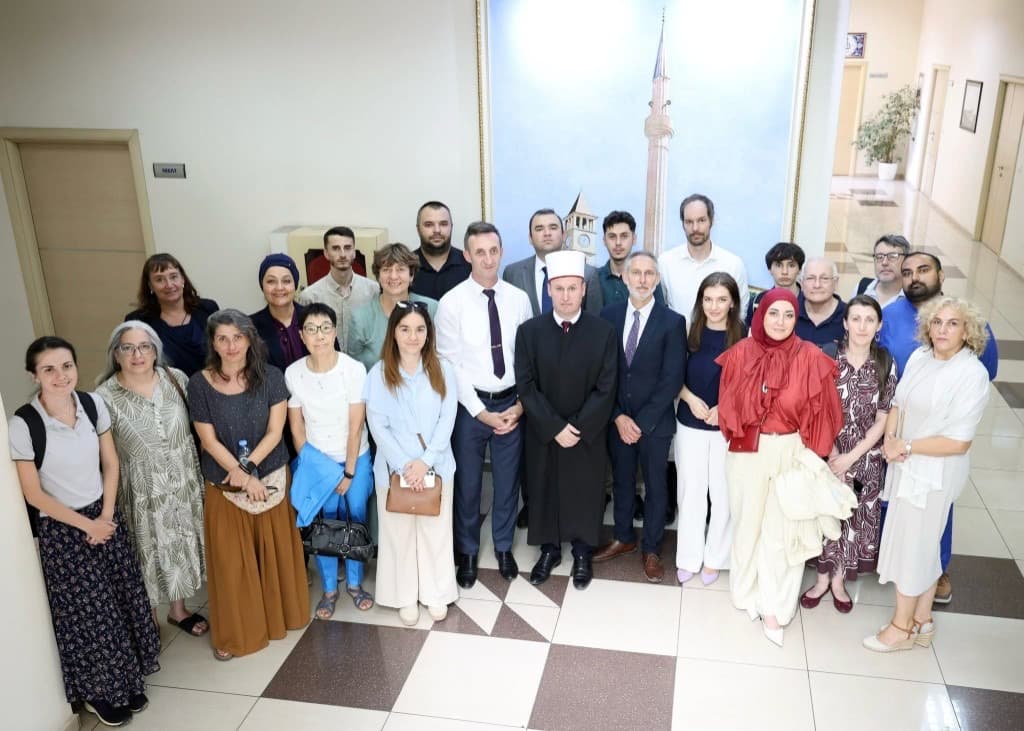
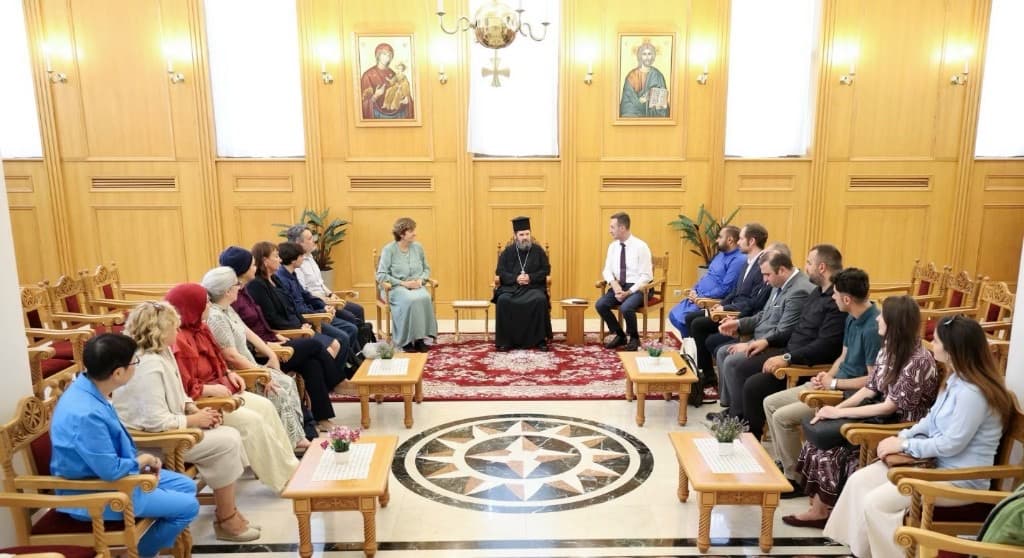
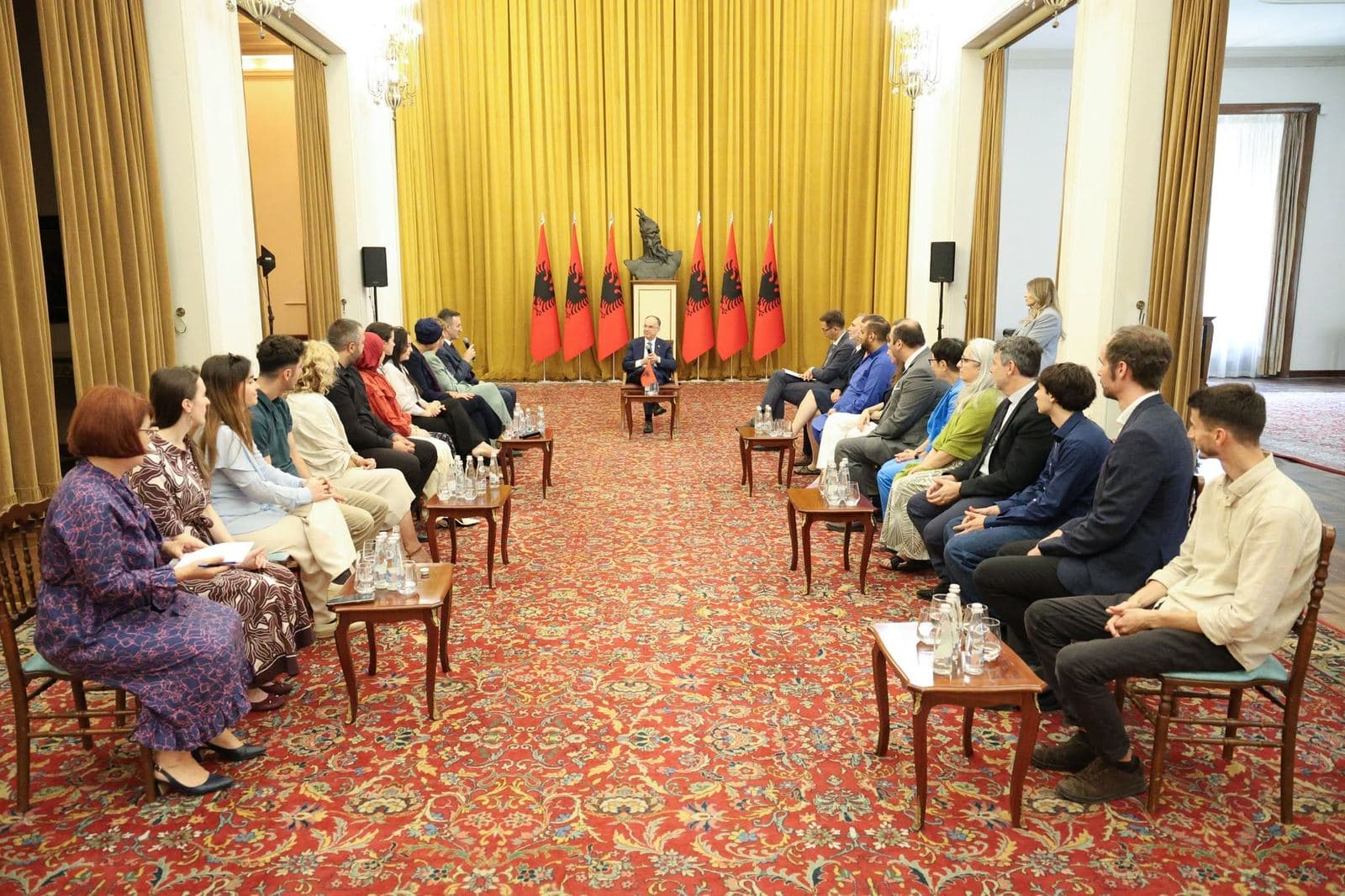
Religions for Peace Hellas took part in the European Training of Trainers on Shared Sacred Worldview (SSW) and Shared Sacred Flourishing (SSF), held from 21 to 23 July 2026 in Tirana, Albania.
The programme was organised by Religions for Peace Europe, in cooperation with Religions for Peace International and the Interreligious Council of Albania (Religions for Peace Albania), bringing together representatives of interreligious councils, religious communities, academic institutions, civil-society organisations, and women’s and youth networks from seven European countries: Albania, Bosnia and Herzegovina, Finland, Germany, Greece, Italy and Spain.
Over the three-day training, participants worked on the principles of Shared Sacred Worldview and Shared Sacred Flourishing, exploring how shared values and religious traditions can be turned into practical actions that advance dialogue, peaceful coexistence, social cohesion and the common good. Through interactive workshops, group exercises and exchange of good practices, methodologies were developed to strengthen interfaith cooperation and address contemporary social challenges.
Particular emphasis was placed on building partnerships among religious communities, public institutions, academic bodies and civil-society organisations, and on preparing national trainings to be delivered in the participating countries.
Completing the programme marked an important step in strengthening the European Religions for Peace network and advancing joint initiatives for peace, interfaith dialogue, human dignity and sustainable development.
Religions for Peace Hellas’s participation reinforces its commitment to bring the knowledge, methodologies and good practices gained back to Greece, contributing to actions that promote dialogue, cooperation and social inclusion at local and national level.